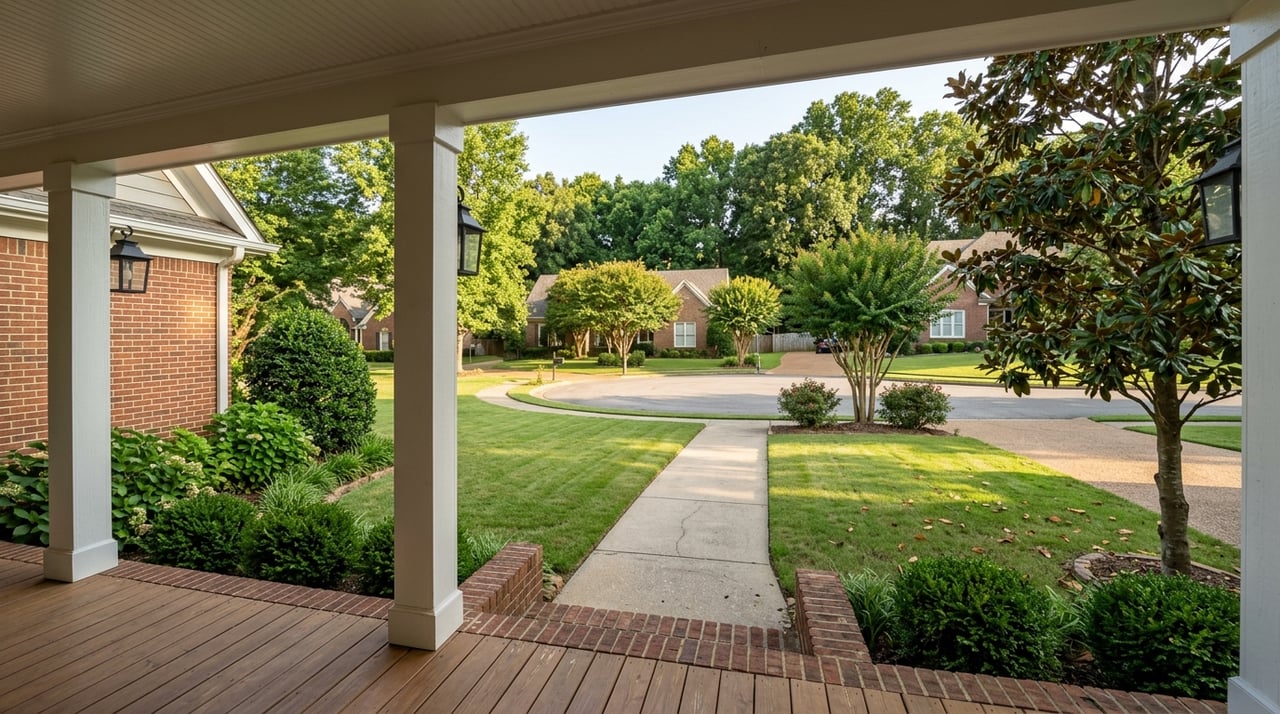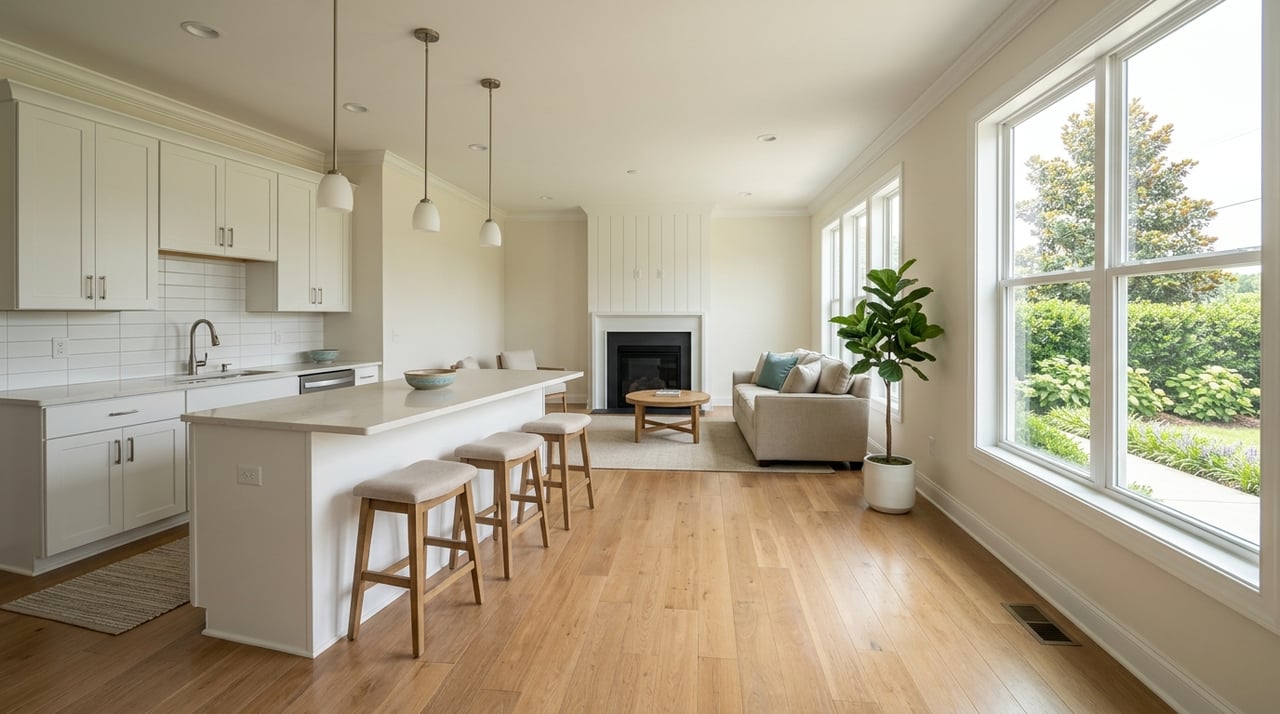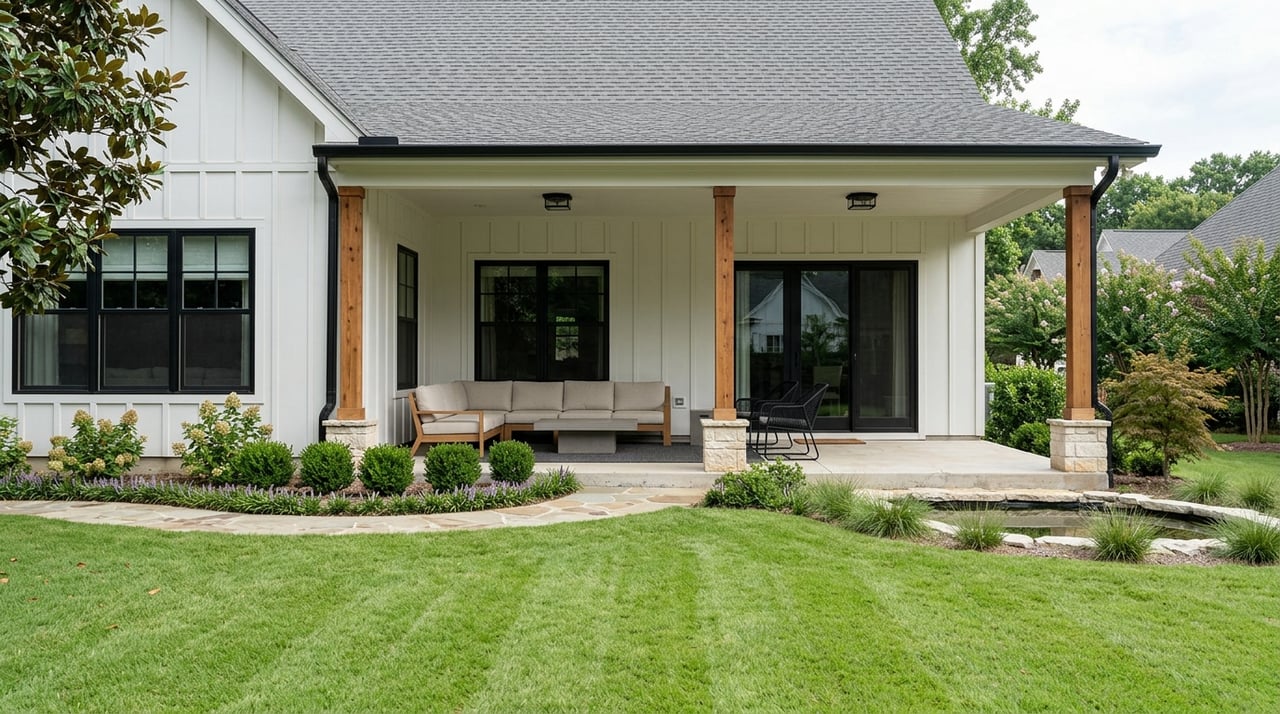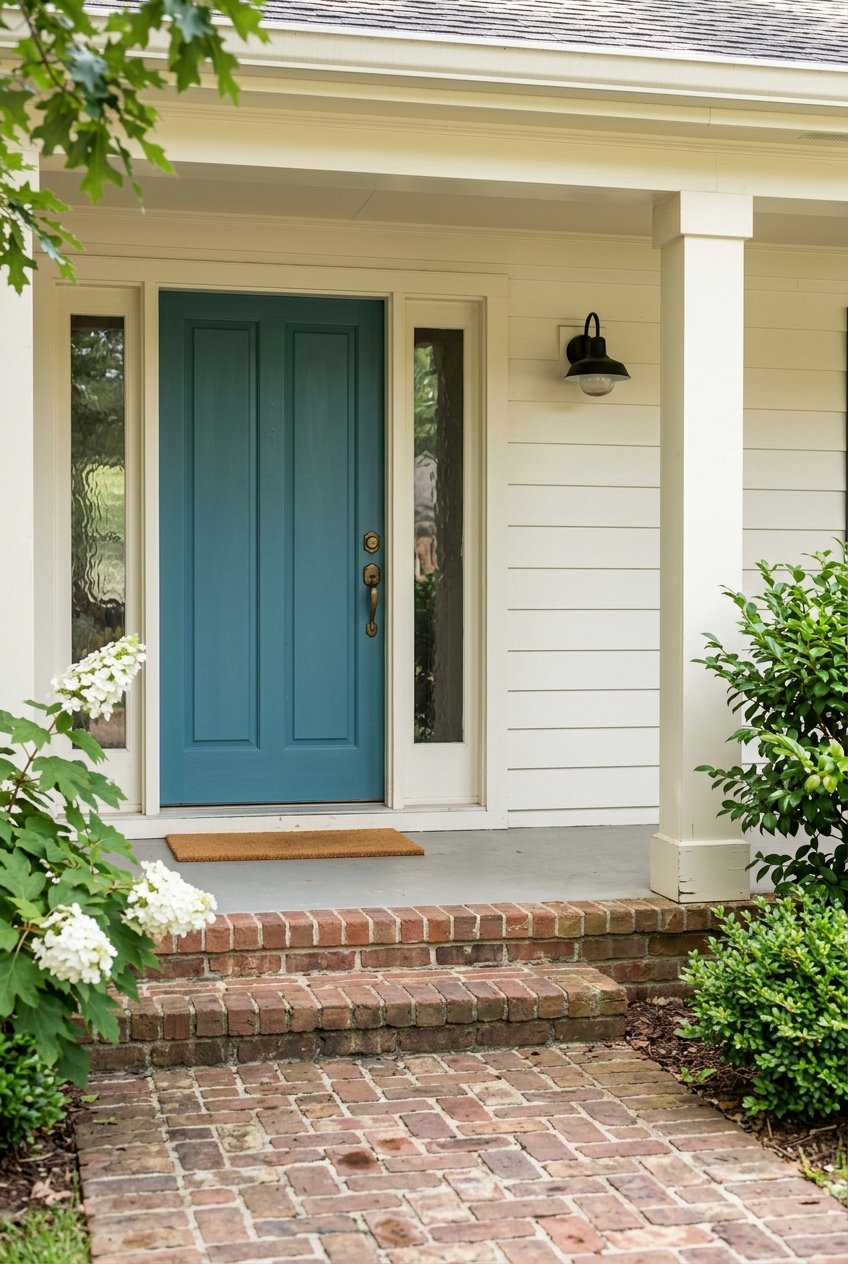
Wondering how to sell a character home in Homewood without losing the details that make it special? If your home has original millwork, hardwood floors, a deep front porch, or a place in one of Homewood’s older streetscapes, you are not just selling square footage. You are selling charm, context, and a lifestyle story, and that takes the right strategy and timing. Let’s dive in.
Why character homes stand out in Homewood
Homewood has a distinct identity shaped by older communities like Rosedale, Grove Park, Edgewood, and Hollywood. That history still matters today because residents have expressed strong support for preserving neighborhood character, trees, and connectivity. For you as a seller, that means buyers often view your home as part of a larger setting, not just as an individual property.
That is especially true in areas with historic housing stock. Homewood includes historic districts with architectural styles and early residential forms such as bungalows, Tudor Revival homes, duplexes, Minimal Traditional homes, and other older properties that contribute to a recognizable streetscape. In practical terms, buyers may respond to the feel of the block, the exterior details, and the home’s original features just as much as they respond to updates.
Homewood is also a higher-value market. Recent census data shows a median owner-occupied value of $558,500 across 10,882 housing units. In a market at this price point, presentation has a bigger effect because buyers tend to compare your home closely against other well-positioned listings.
What the Homewood market means for sellers
Homewood remains competitive, but competitive does not mean automatic. Recent market reports showed a median sale price of $639,617 over the three months ending May 2026, while another source reported a median listing price of $550,000, a 100% sale-to-list ratio, and a median of 25 days on market in May 2026. The numbers vary by source, but the message is consistent: price, preparation, and timing still matter.
The other big takeaway is that Homewood is not one uniform market. Reported neighborhood listing prices show major differences, from about $249,950 in Grove Park to roughly $462,450 in West Homewood, $797,000 in Edgewood, and $949,900 in Hollywood. If you own an older home, citywide averages only tell part of the story.
That is why neighborhood-specific pricing matters so much. A character home in Hollywood may be judged very differently than a smaller bungalow in Grove Park, even if both have historic appeal. The right pricing strategy starts with nearby comparable homes, not just broad Homewood trends.
How buyers see older homes today
Homewood’s buyer pool is not only looking for the cheapest option. Census data shows a median household income of $94,485, and buyer behavior nationally continues to show interest in existing homes that offer value, charm, and character. That is good news if your home has features buyers cannot easily find in newer construction.
At the same time, buyers can be selective about condition. They may love original built-ins or vintage hardwoods, but they will still notice deferred maintenance, worn paint, dated lighting, or exterior distractions. In other words, charm helps you stand out, but condition helps you convert interest into offers.
Presentation strategy for character homes
When you sell a character home in Homewood, the goal is usually not to erase its age. The goal is to make the home feel cared for, functional, and easy to picture living in. Buyers should walk in and see the charm clearly, without getting stuck on small issues that create doubt.
National staging research supports that approach. In one recent report, 83% of buyers’ agents said staging makes it easier for buyers to visualize a property as their future home, and 49% of sellers’ agents said staging reduced time on market. For older homes, that matters because room flow can feel different from newer homes, so thoughtful presentation helps buyers connect the dots.
Focus on the most important rooms
If you are deciding where to spend time and money, start with the spaces buyers notice first:
- Living room
- Primary bedroom
- Kitchen
These rooms tend to shape a buyer’s first impression. In a character home, they also help balance historic charm with day-to-day livability.
Make updates that clarify, not flatten
The strongest pre-listing updates are often simple ones that reduce friction without stripping away personality. Think about improvements that make the home look brighter, cleaner, and more complete.
Helpful updates often include:
- Fresh paint in clean, neutral tones
- Repaired trim and touch-up carpentry
- Updated light fixtures where needed
- Simple hardware refreshes
- Polished or refinished hardwood floors
- Better landscaping and curb appeal
This type of work supports presentation without turning your home into something generic. In Homewood, buyers are often drawn to original porches, millwork, built-ins, and older floor plans with character. Highlighting those features usually works better than covering them up.
Preserve original details when possible
If you are debating whether to replace original features, a selective approach is usually best. Alabama historic rehabilitation guidance favors retaining and preserving historic character, avoiding the removal of character-defining materials, and repairing deteriorated features rather than replacing them when possible. That does not mean every old feature should stay no matter what, but it does mean the home’s identity has value.
For many Homewood sellers, that translates into a simple rule: repair before you replace when it makes sense. A restored porch rail, polished wood floor, or refreshed original trim can support both buyer appeal and the home’s story. Wholesale changes often cost more and can weaken the details that make your property memorable.
Check permits before exterior work
Exterior improvements deserve extra attention in Homewood. The city’s Inspections and Permits department handles building permits and inspections, and Homewood also has a Historic Preservation Commission. If your home is a designated historic property or located in a regulated historic district, some exterior changes may require a certificate of appropriateness before work begins.
This matters because last-minute exterior projects can delay your listing timeline. If you are thinking about replacing windows, changing exterior materials, modifying a porch, or making visible alterations, it is smart to check requirements early. That way, you can build your prep plan around the actual review process instead of guessing.
Trees and curb appeal matter too
Homewood places strong value on its tree canopy, and the city notes that trees are central to the community’s character and quality of life. The local tree ordinance requires permits before removing or pruning certain trees. For sellers, that means landscaping work is not just about looks.
If your curb appeal plan includes major tree work, confirm the rules before scheduling crews. A clean, well-maintained yard can absolutely strengthen your presentation, but compliance is part of the process.
Best timing to list a Homewood character home
Spring remains the strongest general selling season. Recent housing analysis identified the week of April 12 through 18, 2026 as the best time to sell nationally, while another market source pointed to late March through mid-May as the strongest listing window overall. For Homewood, that spring-first strategy makes practical sense.
Character homes often show especially well when trees are green, porches feel inviting, and exterior details are easy to appreciate in mild weather. In a place like Homewood, where streetscape and curb appeal are part of the value story, that visual advantage can be meaningful.
A practical Homewood listing window
For many sellers, the sweet spot is late March through early May. That window gives you a chance to hit peak buyer attention while showing the home at a time when landscaping and natural light support the presentation.
The key is to be fully ready before that peak arrives. If your home is still waiting on repairs, photos, staging, or permit-related decisions once the market gets busy, you may lose momentum.
How far ahead you should prepare
A good planning horizon is often at least four to six weeks. That gives you time for repairs, paint, staging, photography, and any needed permit or certificate review tied to exterior work. Older homes usually need this runway more than newer homes because the prep list tends to be more detailed.
If you miss the spring window, that does not mean you cannot sell well. It usually means the prep work has to carry more of the load. Strong pricing, polished presentation, and neighborhood-specific marketing become even more important when timing is less seasonal.
A smart selling strategy in Homewood
If you want the strongest result, think of your sale as a combination of pricing, preparation, and story. Pricing should reflect your specific neighborhood and recent comparable homes. Preparation should reduce buyer objections while protecting the features that make the home distinctive.
The story is what brings it all together. In Homewood, buyers are often drawn to homes that feel connected to the neighborhood, the streetscape, and the character of the property itself. When your home is presented clearly and launched at the right time, those strengths can translate into real market advantage.
If you are considering a move and want a tailored plan for your Homewood property, Riverstone Realty Group can help you evaluate timing, pricing, and presentation so your home enters the market with confidence.
FAQs
How should you price a character home in Homewood?
- You should start with neighborhood-specific comparable sales because Homewood pricing can vary widely between areas like Grove Park, West Homewood, Edgewood, and Hollywood.
What updates matter most before selling an older home in Homewood?
- Simple presentation-focused updates often matter most, including fresh paint, repaired trim, updated lighting, polished floors, and stronger curb appeal.
Should you replace original features before listing a Homewood character home?
- Usually, repair is the better first option when possible, since preserving character-defining features can support both the home’s identity and buyer appeal.
Do exterior changes on a Homewood historic home need approval?
- They may, especially if the property is designated historic or located in a regulated historic district, so you should check with the city early.
When is the best time to list a character home in Homewood?
- Late March through early May is often a practical target because spring conditions can improve curb appeal and align with stronger buyer activity.
How long should you prepare before listing a Homewood character home?
- A four- to six-week prep period is a reasonable baseline for repairs, staging, photography, and any required permit or review steps.