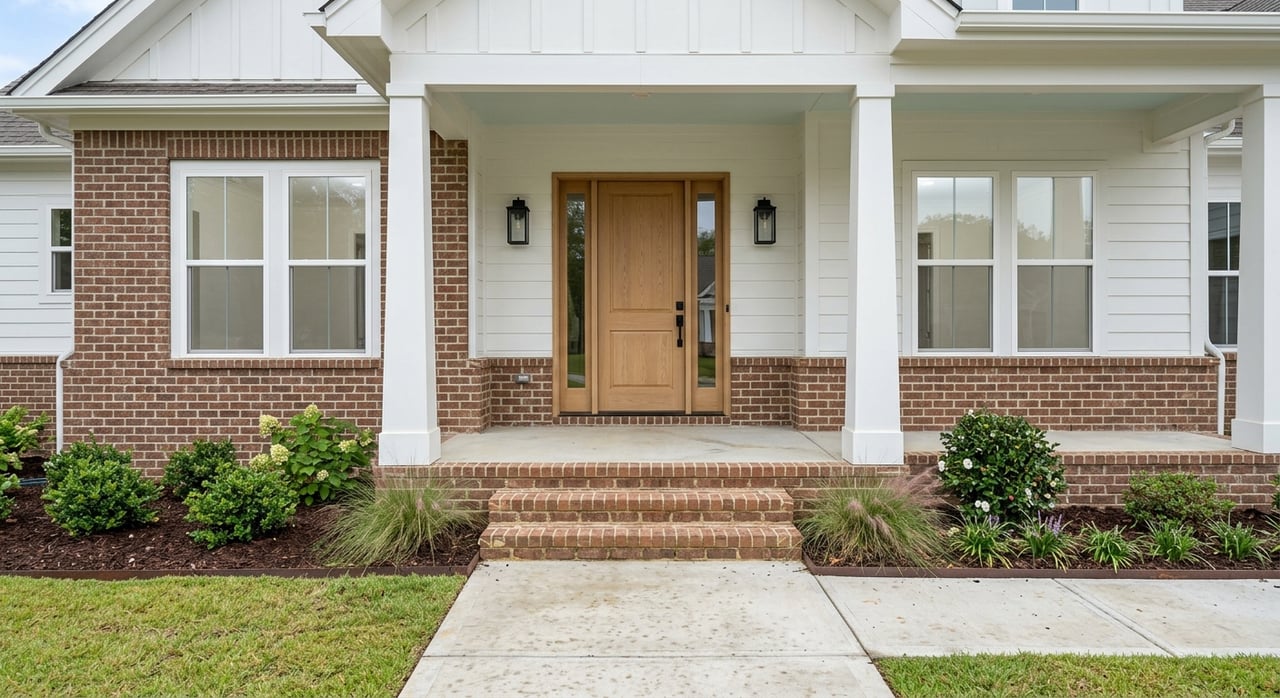
If you are thinking about buying a brand-new home in Chelsea, you are not imagining the momentum. This part of Shelby County has been growing, builders are still adding inventory, and buyers have more than one path to ownership. Whether you want a quicker move, a chance to personalize finishes, or a better feel for how the process works, this guide will help you know what to expect before you sign. Let’s dive in.
Chelsea New Construction Is Growing
Chelsea sits along the U.S. 280 corridor, about 10 miles southeast of Birmingham, and the area continues to see residential growth. The U.S. Census Bureau estimates Chelsea’s population at 17,293 in 2024, up from 14,982 in 2020. That kind of growth helps explain why new-home activity remains steady.
For you as a buyer, that means Chelsea is not a one-size-fits-all new construction market. Current listings show a mix of communities, builders, floor plans, and price points. Instead of seeing just one style or price band, you can compare several options based on timing, layout, and budget.
What Price Ranges Look Like
Current Chelsea new-home listings show a broad spread across active communities. Homes.com currently lists Chelsea Acres at $332,400 to $459,900, Chelsea Park at $299,900 to $399,900, and Longview at Chelsea Park at $366,000 to $469,000. Home sizes in these communities generally start around 1,600 square feet and reach about 2,841 square feet.
These numbers are helpful as a starting point, but they are not the full picture. Base pricing can change based on lot premiums, upgrades, structural options, and builder packages. If you are comparing new construction with resale homes, make sure you are looking at the full expected cost, not just the advertised starting price.
Active Builders and Home Types
Current community listings identify D.R. Horton and Harris Doyle Homes as active builders in Chelsea. That matters because each builder may offer a different mix of home styles, included features, build timelines, and upgrade opportunities. Your experience can feel very different depending on which community and builder you choose.
In practical terms, Chelsea buyers may find both quick-move-in and build-to-order opportunities. Current community pages show under-construction homes, quick-move-in homes, and ready-to-build plans. That gives you flexibility if you need a faster closing or want more say in the final look of the home.
What Chelsea New Homes Usually Include
Many Chelsea new homes follow a more production-style model rather than a fully custom approach. D.R. Horton’s Chelsea Acres page shows homes with one or two stories, roughly three to five bedrooms, two to three baths, and 1,272 to 2,511 square feet. The community currently shows 12 floor plans, which suggests buyers are often choosing from predesigned layouts.
That can be a plus if you want a more predictable process. Instead of making every design decision from scratch, you can focus on selecting the layout and features that fit your needs. For many buyers, that simplifies the path to a new home.
Features You May See
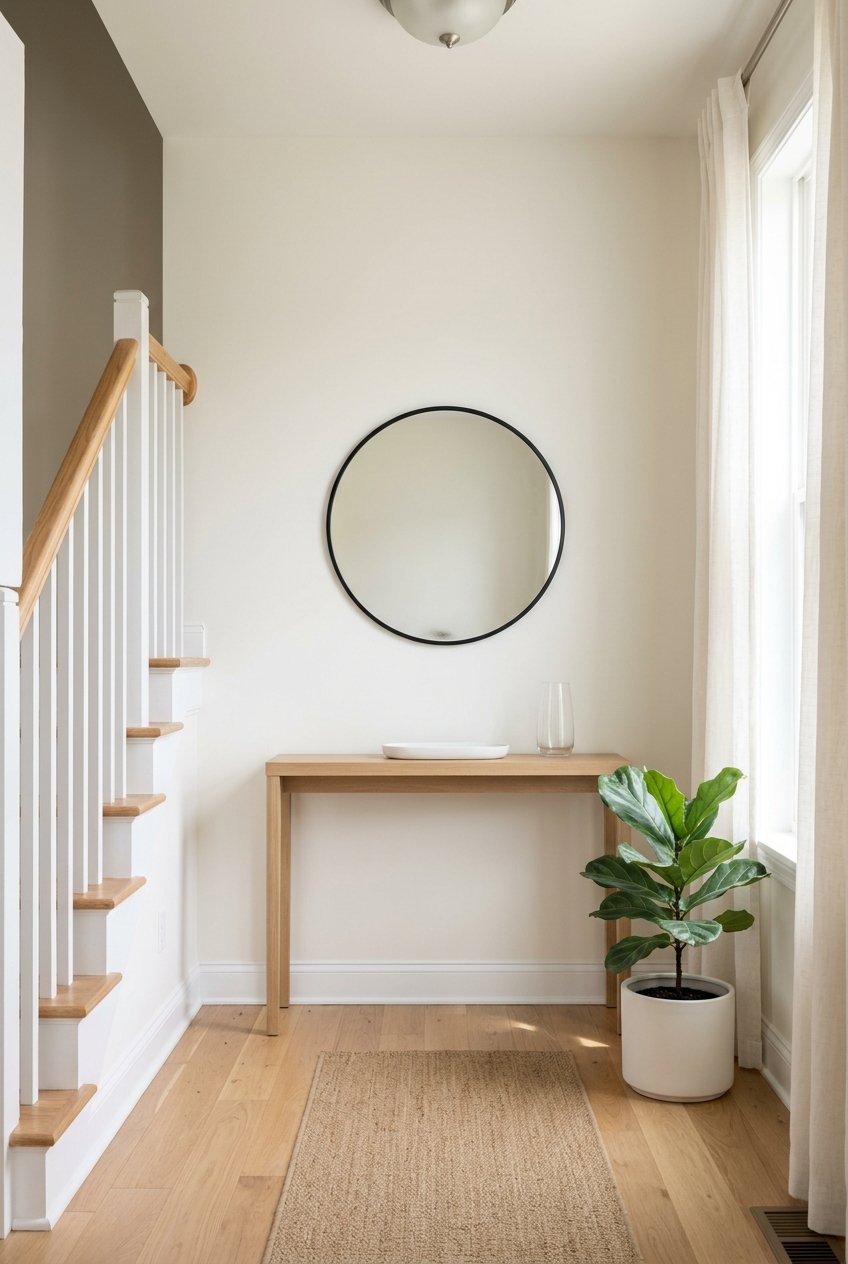
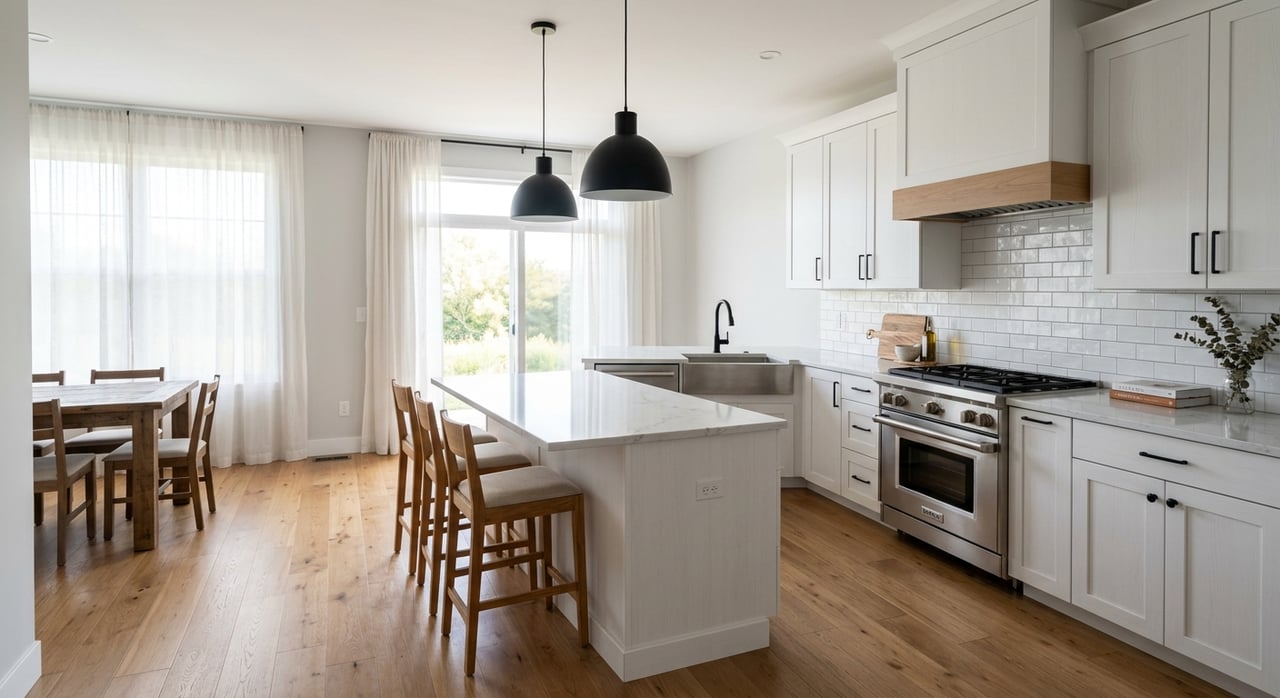
Chelsea new-construction communities currently show a range of modern features and convenience-focused options. Depending on the builder and community, you may see:
- Open floor plans
- One- and two-story layouts
- Three- to five-bedroom designs
- Smart-home packages
- Video doorbells
- Keyless entry
- Phone-based temperature control
- Options for upgrades and personalization
Longview at Chelsea Park offers a slightly different experience. NewHomeSource notes multiple home types, personalization options, and upgrades, along with both quick-move-in homes and build opportunities. If customization matters to you, that distinction is worth paying attention to.
Community Amenities Can Shape Value
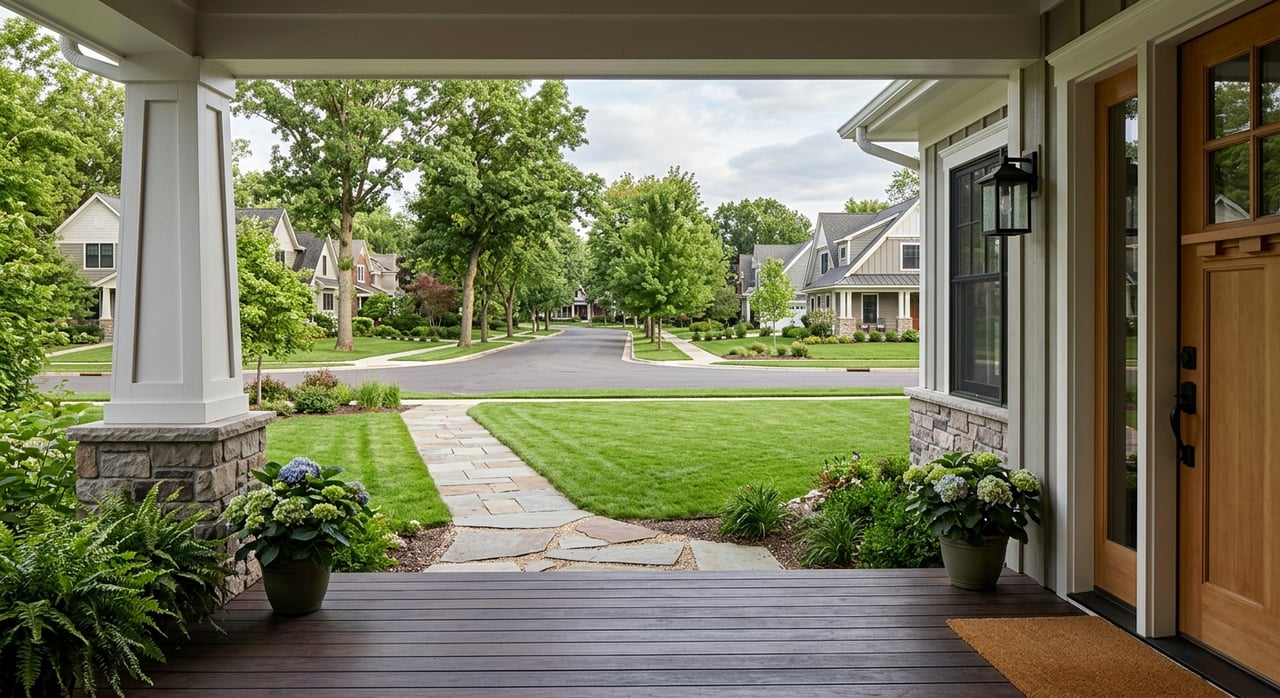
When you buy new construction in Chelsea, you are often buying into a planned community, not just a house. Current listings mention features like pools, playgrounds, parks, lakes, walking trails, sidewalk-lined streets, a splash pad, an archery range, and youth sports facilities. Those shared amenities can play a big role in your day-to-day lifestyle.
As you compare communities, ask yourself how much those amenities matter to you. A lower starting price in one neighborhood may not feel like the better fit if another offers features you know you will use often. Looking at the whole package can help you make a smarter decision.
Quick Move-In vs Build-to-Order
One of the biggest questions buyers ask is how long the process will take. In Chelsea, the answer depends on the type of new home you choose. Some homes are already under construction or nearly complete, while others are still at the plan stage.
A quick-move-in home may be the right fit if you need a more predictable timeline. A build-to-order home may give you more freedom to choose finishes or upgrades, but it can take longer. The best option depends on your schedule, your budget, and how much personalization you want.
What the Permit Process Looks Like
A new home may feel simple from the outside, but there is a lot happening before move-in day. Chelsea’s city process includes a Zoning Verification Form that should be completed and submitted to the City Clerk with a plot plan. After approval, that form is sent to the Shelby County Building Department, which handles the permit, inspections, and Certificates of Occupancy as needed.
Shelby County states that any new-construction project requires a building permit. The county also notes that one permit covers structural, electrical, gas, mechanical, and plumbing work. For you, the key takeaway is simple: new construction still involves a detailed approval process, and those steps matter.
Surveys and Inspections Matter
In Shelby County, setback verification surveys are required in zoned areas. The inspection process can include footing, slab, sewer, soil and erosion control, framing, rough-ins, and final inspections. If a lot is in a flood hazard area or involves land disturbance, additional requirements may also apply.
That is important because buyers sometimes assume a brand-new home means fewer moving parts. In reality, the process includes multiple checkpoints before the home is ready for occupancy. Understanding that early can help you set better expectations about timing.
Contracts Matter as Much as the Floor Plan
It is easy to focus on cabinets, countertops, and curb appeal, but the contract deserves just as much attention. Alabama’s Home Builders Licensure Board says builders are not required by law to provide a written home warranty, even though many licensed builders do. That means your protection after closing may depend heavily on the builder’s specific contract and warranty terms.
Before you commit, make sure you understand what is included and what is not. Pay close attention to change orders, completion dates, deposits, upgrade costs, and the process for addressing defects after closing. Small contract details can have a big impact later.
Understand Warranty Limits
Builder warranties often have different coverage periods for different parts of the home. Research in your report notes that workmanship and materials often have about one year of coverage, systems like HVAC, plumbing, and electrical often have about two years, and some builders offer longer coverage for major structural defects.
The important point is not to assume all warranties are the same. Ask for the warranty in writing, review how claims must be submitted, and look for any mediation or arbitration language. Clear expectations now can prevent frustration later.
Why an Independent Inspection Still Helps
Some buyers wonder if they really need an inspection on a brand-new home. HUD’s buyer guidance says a home inspection is meant to inform the buyer before making a financial commitment, and FHA does not guarantee the value or condition of a new home. That makes an independent inspection a conversation worth having, even on new construction.
A new home can still have items that deserve a closer look. An inspection may help you catch issues before closing and better understand the condition of the property you are buying. Since warranty coverage varies, this step can add another layer of confidence.
Smart Questions to Ask Before You Buy
If you are comparing Chelsea new-construction options, a few questions can help you stay grounded:
- Is the price listed a base price or a final price estimate?
- What upgrades are most common, and what do they cost?
- Is the home quick-move-in, under construction, or ready to build?
- What is the expected completion timeline?
- What community amenities are included?
- What warranty is offered, and what does it cover?
- Who handles the permit and inspection process?
- Will there be any added lot, survey, or site-related requirements?
These questions can help you compare homes more accurately and avoid surprises. They also make it easier to separate a home that looks attractive online from one that truly fits your goals.
How to Approach Chelsea New Construction With Confidence
Chelsea offers real opportunity for buyers who want a newer home, a planned-community setting, or more modern features. The market includes several price points, a mix of floor plans, and both faster and more customizable purchase paths. That gives you options, but it also means you need to compare carefully.
The best approach is to balance excitement with due diligence. Focus on the full cost, the contract terms, the builder’s warranty, the timeline, and the community itself. When you do that, you can make a more informed choice and feel better about your decision from contract to closing.
If you are considering a new home in Chelsea and want clear, local guidance through the process, Riverstone Realty Group can help you compare communities, understand the details, and move forward with confidence.
FAQs
What price range should buyers expect for new construction in Chelsea?
- Current listings show Chelsea new homes ranging from about $299,900 to $469,000, depending on the community, floor plan, and included features.
What types of new-construction homes are available in Chelsea?
- Current Chelsea listings show a mix of under-construction homes, quick-move-in homes, and ready-to-build plans, with home sizes generally ranging from about 1,600 to 2,841 square feet.
What builders are active in Chelsea new-home communities?
- Current community listings identify D.R. Horton and Harris Doyle Homes as active builders in Chelsea.
What features do Chelsea new homes commonly include?
- Current community pages show features such as three- to five-bedroom layouts, one- and two-story plans, smart-home packages, and options for upgrades and personalization.
What permits are required for new construction in Chelsea?
- Chelsea’s process includes city zoning verification paperwork, and Shelby County requires a building permit for any new-construction project.
What inspections are part of Shelby County new construction?
- Shelby County’s process can include footing, slab, sewer, soil and erosion control, framing, rough-ins, and final inspections, with setback verification surveys required in zoned areas.
Are builders required to provide a home warranty in Alabama?
- No. Alabama’s Home Builders Licensure Board says builders are not required by law to provide a written home warranty, so coverage depends on the builder and the contract.
Should buyers get an inspection on a brand-new Chelsea home?
- An independent inspection is still worth discussing because a new home can still have issues, and warranty coverage can vary by builder and by component.