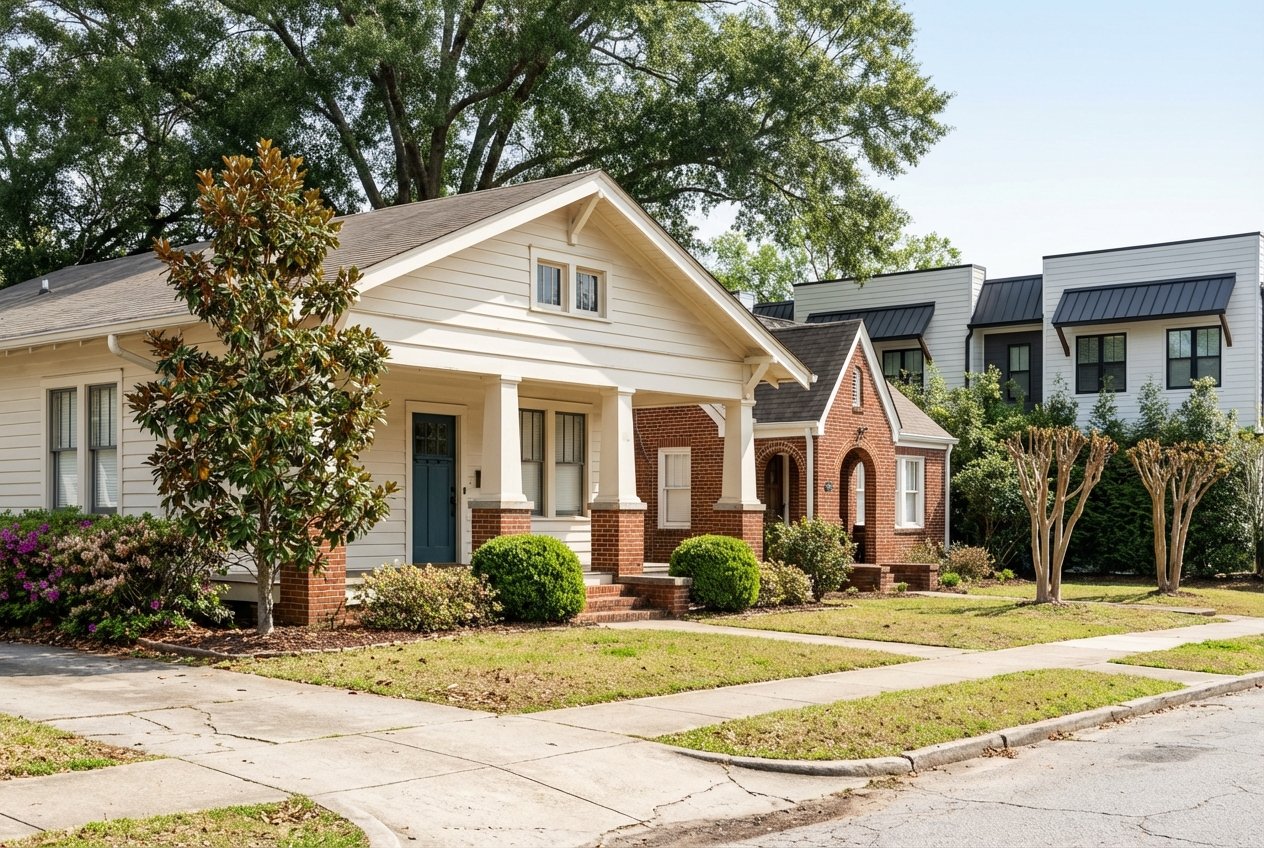
Love a front porch, a red tile roof, or the clean lines of a mid‑century ranch? In Homewood, you can find all three within a few blocks. If you’re exploring neighborhoods south of Birmingham, understanding the city’s mix of cottages, bungalows, and newer builds will help you match your budget and lifestyle to the right home. In this guide, you’ll learn how to recognize each style, where they tend to cluster, and what today’s market is signaling for price and availability. Let’s dive in.
Why Homewood’s architecture stands out
Homewood grew in the streetcar and early‑automobile eras, so you see compact blocks, sidewalks, and many homes built in the 1920s through the 1940s. The city also includes two National Register historic districts that preserve distinctive styles and streetscapes. For a concise local history of how the city formed and grew, the city’s overview is a helpful starting point at the City of Homewood history page.
Two districts are especially useful to understand local house types:
- Hollywood Historic District. Known for Spanish or Mission Revival and Tudor Revival architecture. You can browse architectural descriptions and public photos in the Hollywood National Register of Historic Places record.
- Rosedale and Rosedale Park. A cluster of small historic homes, including bungalows, L‑plans, and shotgun houses, that reflect early 20th‑century working‑ and middle‑class development. For background and examples, see the Rosedale Park Historic District summary.
Craftsman bungalows and cozy cottages
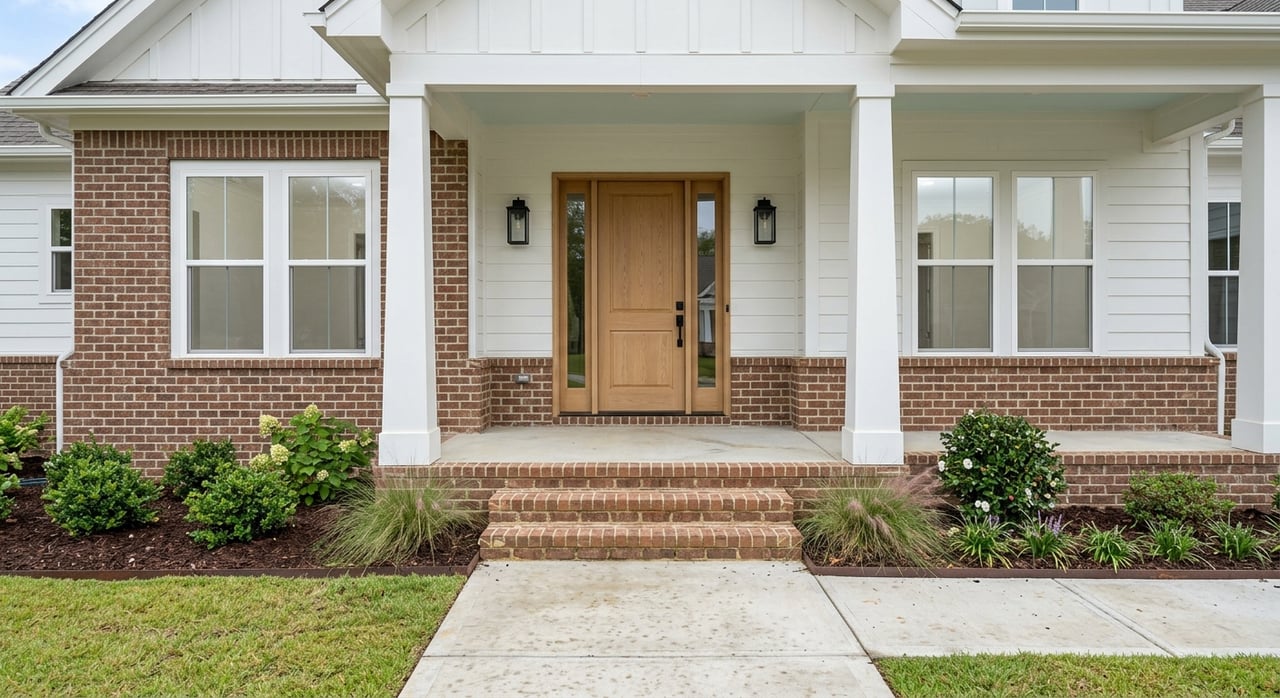
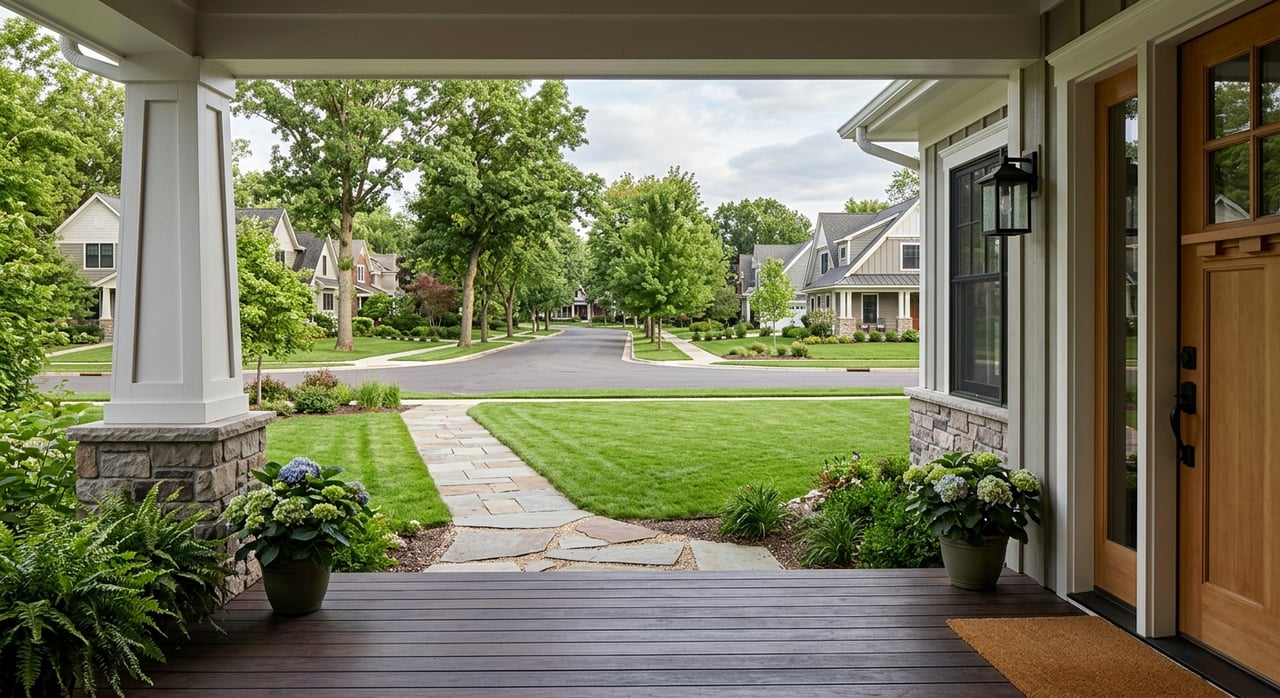
If you picture classic Homewood charm, you’re probably thinking of a Craftsman bungalow or a small cottage. You’ll spot low‑pitched gables, wide eaves with exposed rafters, and tapered porch columns set on brick or stone piers. Many feature multi‑pane‑over‑single windows and a generous front porch.
Inside, expect original hardwood floors, a compact dining room or breakfast nook, and modest closet space in earlier floor plans. Many have updated kitchens and baths added over time. You’ll find strong concentrations in Rosedale, parts of central and west Homewood, and throughout Edgewood.
Spanish and Mission Revival in Hollywood
Spanish, Mission, and Mediterranean Revival homes make Hollywood one of Homewood’s most recognizable neighborhoods. Typical cues include stucco walls in light tones, red‑clay tile roofs, arched openings, and decorative iron or tile details. Interiors often have plaster walls, hardwood or tile floors, and intimate room groupings that highlight the style’s character.
If you want to see textbook examples with photos and descriptions, the Hollywood Historic District National Register file is worth a look.
Tudor Revival and English‑inspired cottages
Tudor Revival homes share the same interwar boom as Spanish Revival and often sit alongside them in Hollywood and nearby historic blocks. Look for steep front gables, decorative half‑timbering, tall narrow windows, and prominent chimneys. Inside, you’ll typically find hardwood floors and cozy living rooms with a focal fireplace, with many homes since updated for modern kitchens and baths.
Minimal‑Traditional and Ranch homes
By the 1940s through the 1960s, Homewood added Minimal‑Traditional and Ranch homes. Minimal‑Traditional houses keep simplified historic references and modest ornament, while Ranch homes are single‑story, low‑pitched, and often oriented to the backyard with car access.
These homes tend to offer single‑level living, and many have or gained attached garages. Later remodels often opened the kitchen to living spaces and added larger primary baths. You’ll see these more frequently in West Homewood and fringe areas.
Rosedale’s vernacular and shotgun houses
Rosedale retains a distinctive set of small vernacular homes, including shotgun or straight‑through plans and one‑story bungalows. These houses tell the story of early 20th‑century neighborhood development in Homewood and remain an important part of the city’s architectural fabric. For context on the area and its historic homes, review the Rosedale Park Historic District overview.
Townhomes, condos, and newer custom builds
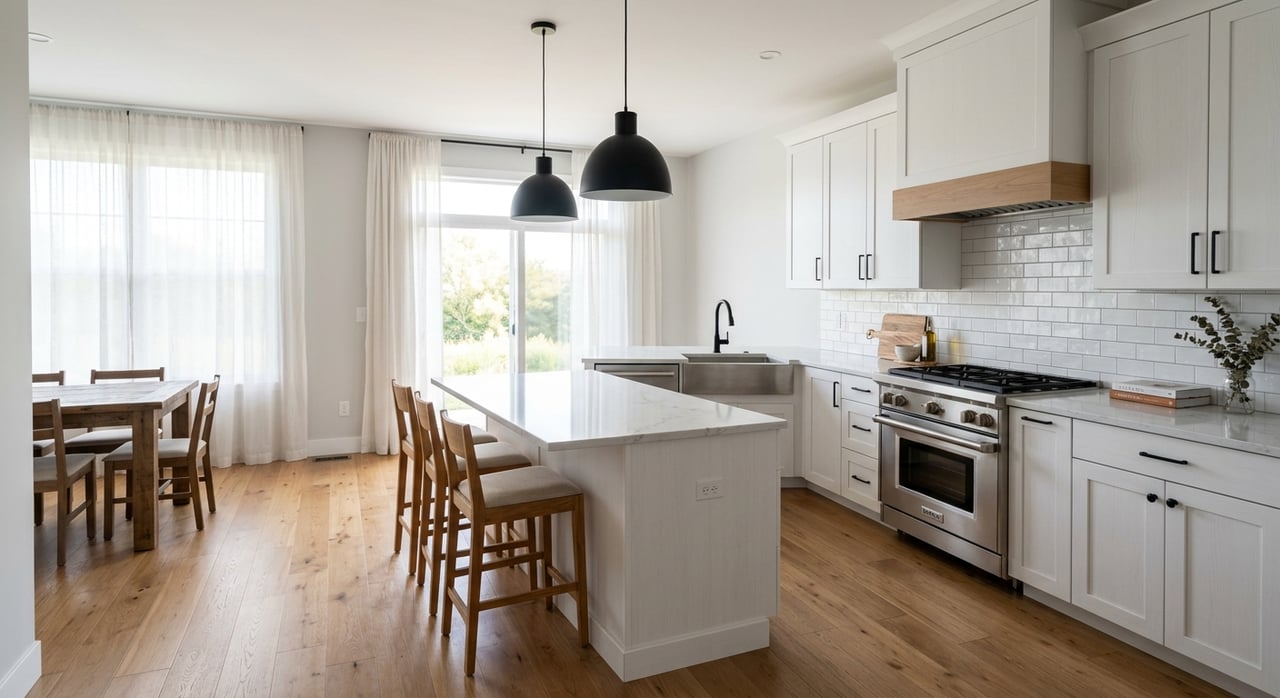
Closer to downtown Homewood and SoHo, you’ll find stacked‑flat condos, loft‑style options, and compact townhomes that trade yard size for walkability and low maintenance. Elsewhere in the city, tear‑downs and infill lots are delivering larger custom homes. New construction typically favors open‑concept kitchens, bigger primary suites, flexible bonus spaces or finished basements, and modern storage.
If you’re comparing older bungalows to today’s custom builds, expect a noticeable shift in square footage, layout openness, and parking solutions.
Where styles cluster in Homewood
Use this quick map‑minded guide when driving or browsing by style:
- Hollywood. Spanish or Mission Revival and Tudor Revival homes. National Register district with established streetscapes and architectural variety. See the Hollywood NRHP entry.
- Edgewood and Central Homewood. A mix of bungalows and cottages with some newer infill, plus a walkable village‑style retail core.
- Rosedale and Rosedale Park. Small‑lot historic housing that includes bungalows, shotgun houses, and other vernacular types. Background at the Rosedale Park district page.
- Downtown/SoHo. Condos, lofts, and smaller townhome developments near shops and restaurants.
- West Homewood and fringe areas. Postwar stock with Minimal‑Traditional and Ranch homes, plus some larger‑lot infill.
For orientation, a simple neighborhood map can help you visualize these areas. Browse an overview at this Homewood neighborhood map.
What styles fit common budgets
Market figures vary by source, so it helps to note the date and methodology. Recent snapshots include:
- Citywide, Redfin reported a median sale price of about 399,900 dollars in January 2026. Zillow’s Home Value Index showed a typical Homewood value around 532,542 dollars with data through December 31, 2025. Realtor.com’s late‑2025 for‑sale median hovered in the mid‑400,000s.
- Neighborhood medians reflect the style and location mix. For example, Edgewood’s median was about 637,000 dollars in December 2025 per Redfin, while Hollywood was around 720,000 dollars in January 2026 per Redfin.
- For entry points, smaller bungalows and some condos or townhomes appeared in the low‑to‑mid 300,000s in late‑2025 and early‑2026 across public market dashboards.
These data points help frame expectations, but the right number for any home depends on condition, updates, lot position, and current competition. If you’re planning a move, use today’s comps and a style‑specific pricing strategy.
Renovation and historic district considerations
Hollywood and Rosedale include National Register historic districts. A National Register listing by itself does not prohibit private renovations. Local zoning, permitting, or a local historic‑preservation ordinance may apply to exterior changes, so you should confirm requirements before you design a project. The Hollywood National Register filing offers helpful context and links to public documentation at the NPS record. For permits, contact Homewood’s Engineering and Zoning offices listed on the City of Homewood website.
How to choose: lifestyle and layout
As you compare styles, focus on daily living needs, not just curb appeal.
- Bungalows and cottages. Ideal if you value a front porch and character details. Expect cozier rooms and plan for storage solutions if original closets are small.
- Spanish or Tudor Revival. Distinctive exteriors and period details inside. Ask about maintenance for clay tile roofs and original stucco or half‑timbering.
- Minimal‑Traditional and Ranch. Often the easiest path to single‑level living. Many offer car access and potential to open the kitchen further.
- Condos and townhomes. Low‑maintenance living near SoHo and downtown amenities, with smaller footprints that fit a lock‑and‑leave lifestyle.
- New custom builds. Maximize space, modern systems, and open layouts. Confirm setbacks and design guidelines on infill lots.
Smart inspection questions by style
Use these quick prompts when touring homes in Homewood:
- Roof and exterior. Are the roof materials original to style, such as clay tile, and what is their condition and expected lifespan? How is stucco, brick, or half‑timbering performing?
- Systems and layout. In older bungalows, have electrical and plumbing systems been updated? Does the layout support your daily flow or would you plan changes?
- Additions and permits. Were additions or garage conversions permitted and finaled? Ask for documentation.
- Storage and parking. Will closet capacity, attic access, or off‑street parking meet your needs, especially in historic blocks with smaller lots?
Ready to compare homes by style?
Whether you are drawn to an Edgewood bungalow, a Hollywood Spanish Revival, or a modern infill build, the right guidance will help you act with confidence. For tailored pricing, style‑specific search strategies, and a presentation plan if you need to sell first, connect with Riverstone Realty Group. Our team pairs local insight with premium marketing to help you make your next move in Homewood.
FAQs
What are the most common home styles in Homewood?
- You’ll see Craftsman bungalows and cottages citywide, Spanish or Mission Revival and Tudor Revival in Hollywood, Minimal‑Traditional and Ranch homes in West Homewood, and condos or townhomes near downtown and SoHo.
Where can I find Spanish or Mission Revival homes in Homewood?
- Hollywood is the best‑known area for these styles, recognized in the National Register–listed Hollywood Historic District, which features stucco walls, clay tile roofs, and arched openings.
What is the current median sale price in Homewood?
- As of January 2026, Redfin reported a citywide median sale price of about 399,900 dollars, while Zillow’s Home Value Index showed around 532,542 dollars through December 31, 2025; always check the date and source.
Are there renovation restrictions in Hollywood or Rosedale?
- National Register listing does not by itself restrict private renovations, but local zoning and permits may apply; confirm requirements with Homewood’s Engineering and Zoning offices before starting work.
What are entry‑level options for buyers in Homewood?
- In late‑2025 and early‑2026, smaller bungalows and some condo or townhome units appeared in the low‑to‑mid 300,000s across public market dashboards, with availability changing month to month.
How do Ranch and Minimal‑Traditional homes differ from bungalows?
- Bungalows emphasize front porches and period woodwork with cozier rooms, while Ranch and Minimal‑Traditional homes often offer single‑level layouts, easier car access, and remodels that open the kitchen to living areas.