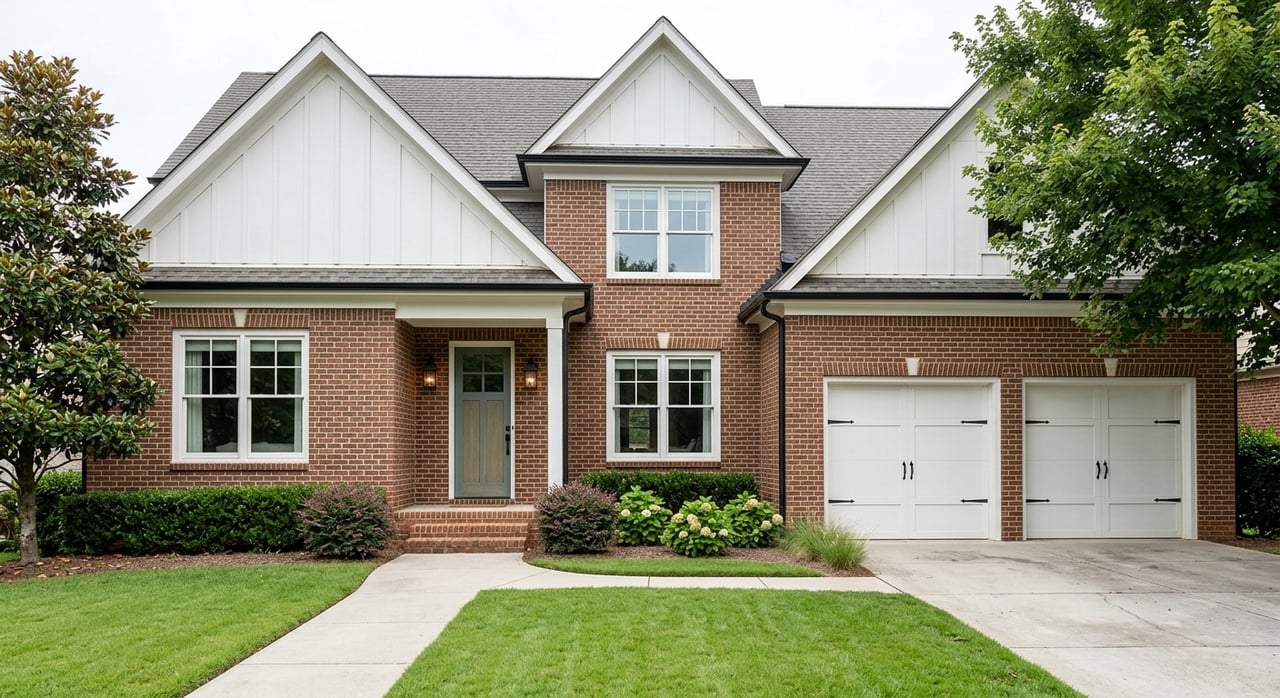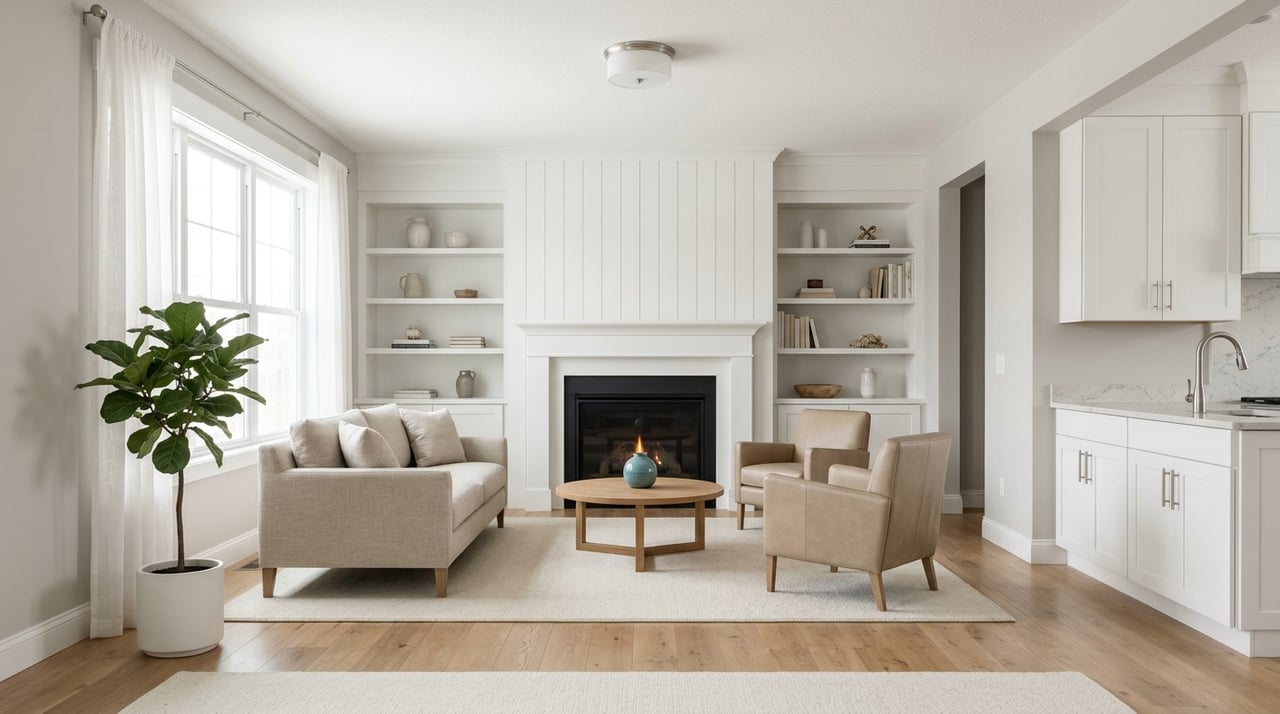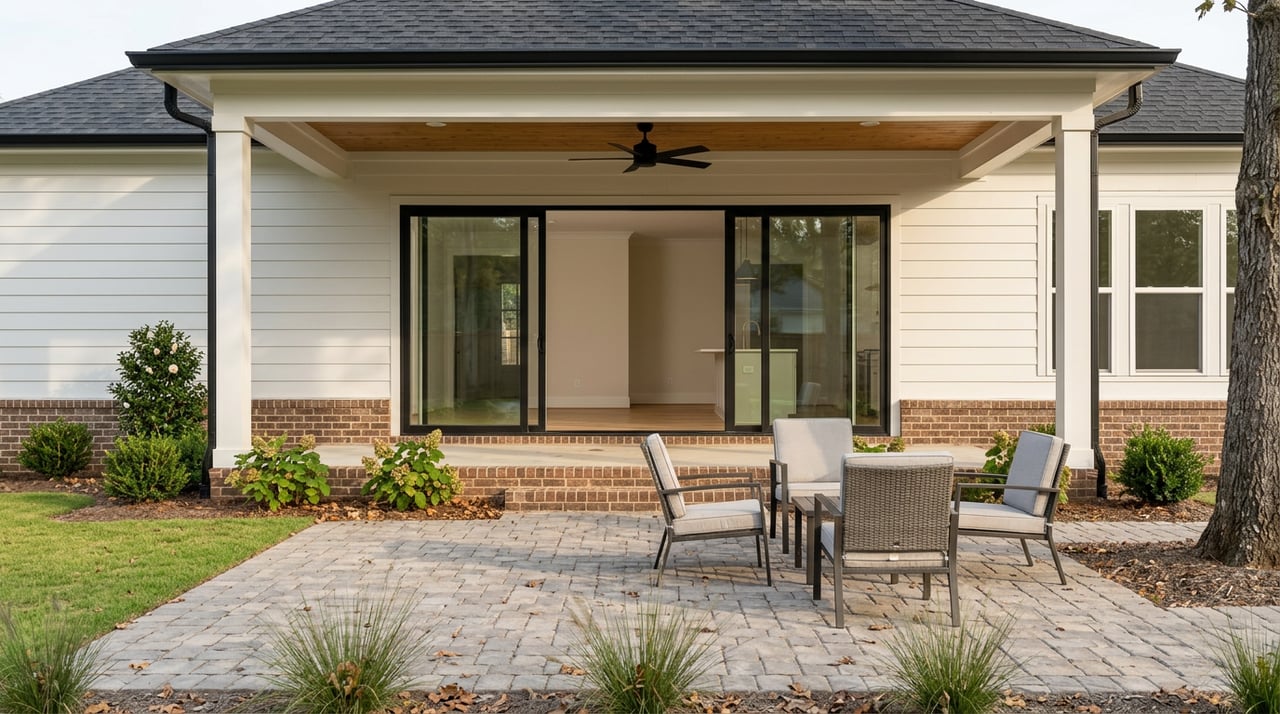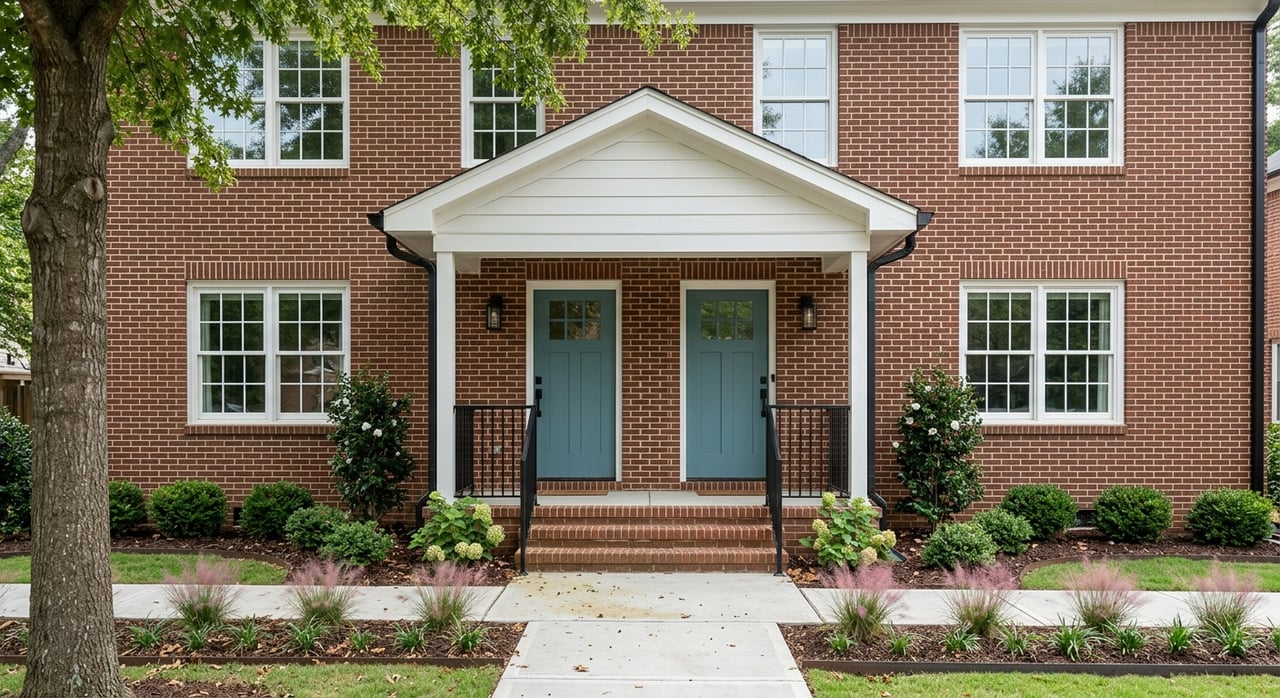
If you are buying your first home, Homewood can feel exciting and intimidating at the same time. You may love the location, the established housing stock, and the convenience to Birmingham, but the price tags can make you wonder where to start. The good news is that first-time buyers do have options here, especially if you understand the difference between homes and condos, the true monthly cost of ownership, and the pace of the market. Let’s dive in.
Why Homewood Draws First-Time Buyers
Homewood is an established market just outside Birmingham, and that helps explain both its appeal and its price point. Census data cited by Homewood City Schools shows a 2024 population estimate of 27,919, an owner-occupied housing rate of 61.7%, and a median owner-occupied home value of $558,500. It is a place where many buyers want to put down roots, which tends to keep demand steady.
That demand shows up in current market data. Redfin’s Homewood housing market snapshot reports a median sale price of $572,500, median days on market of 22, a 102.4% sale-to-list ratio, and 42.3% of homes selling above list price. While Zillow’s Homewood data uses different metrics and time windows, the message is similar: Homewood remains a competitive market where well-priced properties can move quickly.
Homes vs. Condos in Homewood
For many first-time buyers, the biggest question is simple: should you target a detached home or start with a condo? In Homewood, that choice often comes down to budget, monthly payment comfort, and how much maintenance responsibility you want.
Detached homes are the main story in the market, but they also come with the highest price points. Based on the broader market benchmarks, many single-family purchases will land well above what some first-time buyers initially expect. That does not mean buying in Homewood is out of reach, but it does mean your search may need to be very intentional.
Condos are usually the clearest lower-cost entry point. Redfin’s Homewood condo page shows 21 condos for sale with a median listing price of $175,000, and current examples range from the mid-$80,000s to about $349,900. That price spread is important because it shows Homewood is not one-size-fits-all.
When a Condo Makes Sense
A condo may be worth a closer look if you want:
- A lower purchase price than many detached homes
- Less exterior maintenance responsibility
- A way to enter the Homewood market sooner
- A smaller space that better matches your current lifestyle
That said, lower list price does not always mean lower monthly cost.
Why Monthly Cost Matters More
The Consumer Financial Protection Bureau explains that condo or HOA dues are usually separate from your mortgage payment and can range from a few hundred dollars per month to more than $1,000. In practical terms, a condo that looks affordable on paper can become less affordable once you add dues, insurance, taxes, and other recurring costs.
That is why first-time buyers should compare total monthly carrying cost, not just price. A detached home may have a higher mortgage payment but no HOA dues, while a condo may have a lower loan amount and higher monthly association fees. The better value depends on the full budget.
How Much Cash You Need Up Front
One of the most common surprises for first-time buyers is how much cash is needed beyond the down payment. If you are building your budget for Homewood, you should think in layers rather than a single number.
The CFPB says closing costs typically run 2% to 5% of the purchase price, excluding the down payment. On a $541,889 price point, that works out to roughly $10,838 to $27,094. On a $572,500 benchmark, that rises to about $11,450 to $28,625.
Beyond that, you may also need to account for:
- Your down payment
- Earnest money, depending on contract terms
- Condo or HOA dues
- Homeowners insurance
- Property taxes
- Escrow setup for taxes and insurance
- Mortgage insurance, if your down payment is under 20%
A Simple Budgeting Table
| Cost Category | What to Expect |
|---|---|
| Down payment | Varies by loan program |
| Closing costs | Usually 2% to 5% of purchase price |
| Mortgage insurance | Often required below 20% down |
| Property taxes | Varies by local assessment and exemptions |
| Homeowners insurance | Usually part of monthly ownership cost |
| HOA or condo dues | Separate from mortgage in many cases |
Alabama Programs That May Help
If you are buying your first home in Homewood, a few Alabama programs are worth exploring early in the process. These do not guarantee eligibility, but they can make a meaningful difference if you qualify.
The Alabama Department of Revenue says the First Time and Second Chance Home Buyer Savings Account allows eligible taxpayers to save for a first home, with contributions up to $5,000 for single filers or $10,000 for married joint filers potentially deductible, and earnings tax free if program requirements are met.
AHFA’s current First Step and Step Up programs also offer notable support. According to the research provided, these programs currently offer up to $10,000 or 4% of the sales price in down payment assistance, require a 640 minimum credit score, a 45% or lower debt-to-income ratio, a homeownership education course, and a participating lender. Step Up is aimed at moderate-income buyers, while First Step is the first-time-buyer-oriented option in non-target areas.
Property Taxes in Homewood
Property taxes are another line item that first-time buyers should not estimate too casually. Alabama property tax rules depend on classification, millage, and exemptions, so a rough online guess may not tell you enough.
The Alabama Department of Revenue’s property tax guidance classifies owner-occupied single-family residential property as Class III, assessed at 10% of appraised value. It also notes that homeowners may qualify for a homestead exemption if the property is their primary residence. For you as a buyer, that means your lender estimate should be reviewed carefully and tied to the specific property you are considering.
Why Homewood Feels Competitive
If you have looked at listings in Homewood and felt pressure to move fast, that reaction makes sense. A market with median days on market of 22 and a sale-to-list ratio above 100% can reward buyers who are organized before they ever make an offer.
That does not mean you should rush blindly. It means you should be ready with a preapproval, a clear price ceiling, and a list of non-negotiables before you start serious touring. In a competitive market, preparation gives you flexibility without forcing bad decisions.
Why Price Data Can Look Different
You may notice that one site reports a higher median number than another. That is normal because housing platforms often use different metrics, date ranges, and definitions, such as sold prices, active listings, or typical home value.
The key takeaway is not the exact gap between sources. It is that all major indicators in the research point to a high-demand, relatively expensive, low-inventory market where buyers should be ready to act on the right opportunity.
What Happens After Your Offer Is Accepted
For first-time buyers, the accepted offer can feel like the finish line. In reality, it is the start of the closing process, and several steps still matter a great deal.
The CFPB’s closing guide says buyers typically move into closing by providing documents, arranging the appraisal, scheduling the inspection, and shopping for homeowner’s and title insurance. The CFPB also recommends making your offer and sales contract contingent on financing and on a satisfactory inspection so you have protection if the loan falls through or the property has major issues.
Do Not Skip the Inspection
An inspection and an appraisal are not the same thing. The appraisal helps confirm value for the lender, while the inspection helps you understand the property’s condition.
The CFPB’s inspection guidance makes clear that inspections can reveal issues that affect your decision or give you room to renegotiate repairs or credits. In a fast-moving market, it can be tempting to cut corners, but skipping the inspection is one of the biggest risks a first-time buyer can take.
Know the Typical Timeline
According to Freddie Mac’s homebuying timeline, buyers often spend about 10 weeks finding a home, should shop lenders within about 45 days, may see the inspection phase take 2 to 5 days after scheduling, and often need 30 to 60 days to close after an offer is accepted. CFPB also requires lenders to provide the Closing Disclosure three business days before closing.
That final disclosure is your last major chance to verify loan terms, closing costs, and cash to close. Review it closely and ask questions if anything looks different from what you expected.
Smart First-Time Buyer Moves in Homewood
Buying in Homewood does not require perfect timing, but it does reward good planning. If you want to compete without overextending yourself, focus on the steps that give you clarity early.
Here are a few smart moves to make:
- Get preapproved before you start serious home shopping
- Compare homes and condos based on full monthly cost, not price alone
- Build closing costs into your budget from day one
- Ask about HOA dues and what they cover
- Review property tax estimates for each address you consider
- Keep your inspection contingency and financing contingency in mind
- Read the Closing Disclosure carefully before signing
For many first-time buyers, the best strategy is not chasing every new listing. It is narrowing the search to the properties that truly fit your payment comfort, timeline, and goals.
Finding the Right Starting Point
Your first purchase in Homewood does not have to look like your forever home. It may be a condo that helps you enter the market at a lower price point, or it may be a detached home if your budget and timing align with current inventory.
What matters most is understanding the tradeoffs clearly. When you know how Homewood pricing works, what cash you need beyond the down payment, and which steps protect you during closing, you can move forward with more confidence and fewer surprises.
If you are thinking about buying in Homewood and want practical guidance on what fits your budget and goals, connect with Riverstone Realty Group. You will get local insight, clear communication, and a steady process from search to closing.
FAQs
What is the average price for a first home in Homewood?
- Homewood does not have one standard first-home price, but overall market benchmarks are much higher than condo pricing. Redfin reports a median sale price of $572,500 for the broader market, while Homewood condos have a median listing price of $175,000.
Are Homewood condos cheaper than houses for first-time buyers?
- Yes, based on current research, condos are generally a lower-price entry point in Homewood. Buyers should still compare full monthly costs, including any HOA dues.
How much should a first-time buyer budget for closing costs in Homewood?
- The CFPB says closing costs usually range from 2% to 5% of the purchase price, excluding the down payment. On Homewood price benchmarks, that can mean roughly $10,838 to $28,625 depending on the purchase price.
What first-time buyer help is available in Alabama for a Homewood purchase?
- Alabama programs mentioned in the research include the First Time and Second Chance Home Buyer Savings Account and AHFA’s First Step and Step Up programs, which currently offer qualifying buyers up to $10,000 or 4% of the sales price in down payment assistance.
What should first-time buyers never skip when buying a Homewood home or condo?
- Do not skip the inspection, the appraisal process, the Closing Disclosure review, or a careful review of condo or HOA obligations. These steps help you understand both the property and the true cost of ownership.
How fast do homes move in the Homewood real estate market?
- Redfin reports median days on market of 22, which suggests buyers should be prepared before they start touring and making offers.